10 min read4 viewsAuthorOpenSEO Team

GEO vs SEO Tools: Master AI Search in 2025 US Market

GEO vs SEO Tools: Master AI Search in 2025 US Market

Are you preparing your digital presence for the seismic shift in how users discover information? As we hurtle towards 2025, the landscape of online search is undergoing a radical transformation. Relying solely on traditional Search Engine Optimization (SEO) might leave you lagging behind. The era of AI-powered search is here, and understanding Generative Engine Optimization (GEO) is no longer optional—it's essential.

This guide will demystify GEO, revealing how its specialized tools can complement your existing SEO efforts for unparalleled visibility, particularly within the dynamic US market. We'll dive deep into the critical distinctions between SEO tools vs GEO tools, showcase leading platforms for 2025, and equip you with actionable strategies to not just compete, but dominate in the evolving world of AI-driven search.

Understanding the Shift: GEO vs. SEO Tools in 2025

The digital landscape is undergoing a significant transformation, driven by the rapid evolution of search engine technology. As we move further into 2025, the distinction between traditional Search Engine Optimization (SEO) and the emerging Generative Engine Optimization (GEO) becomes increasingly critical for businesses aiming to thrive. Understanding this shift, particularly the differences between SEO tools vs GEO tools, is a strategic imperative.

What is Generative Engine Optimization (GEO)?

Generative Engine Optimization (GEO) is a new discipline focused on optimizing content for retrieval and direct answers within AI-powered search engines. Unlike traditional SEO, which primarily focuses on ranking a webpage in search results, GEO prioritizes how content is understood, synthesized, and presented by AI models to directly answer user queries. This shift is crucial as AI search engines are designed to provide immediate, contextualized responses, often bypassing traditional blue links.

The Evolution from SEO to GEO: Key Differences

The evolution from SEO to GEO represents a fundamental change in how we approach search. While SEO tools have historically focused on keywords, backlinks, and on-page optimization to improve a website's ranking, GEO tools are designed to enhance a website's ability to be understood and utilized by AI.

Feature/Focus Traditional SEO Tools Emerging GEO Tools
Primary Goal Improve organic search rankings Facilitate direct answers and AI content retrieval
Key Metrics Keyword density, backlinks, domain authority Contextual relevance, answer accuracy, entity recognition
Content Approach Keyword-centric, page-based Topic-centric, answer-oriented, structured data
AI Interaction Indirect (influencing ranking) Direct (optimizing for AI comprehension)

This evolution means that SEO tools vs GEO tools will need to work in tandem. SEO will continue to be foundational for discoverability, but GEO will be essential for visibility within AI-generated search experiences.

Why GEO Tools are Crucial for US Market Success

The US market, in particular, is experiencing a surge in voice search and AI Overviews, making GEO tools indispensable. AI search engines prioritize context, credibility, and direct answers, directly impacting user experience. GEO tools help optimize for AI's understanding of location and user intent, ensuring that businesses are not only found but also accurately represented and utilized by these advanced search capabilities.

For instance, a local business optimized for GEO can appear directly in an AI-generated answer for "best pizza near me." This is a scenario where traditional SEO alone might fall short. This strategic layer is vital for capturing user attention in the evolving search landscape.

Essential GEO Tools for 2025: Your AI Search Toolkit

As the digital landscape rapidly evolves, distinguishing between traditional SEO tools and specialized GEO tools is becoming increasingly crucial for local business success. While SEO tools focus on broader search engine optimization strategies, GEO tools leverage location-based data and AI to hyper-target specific geographic areas. Understanding this distinction is key to unlocking maximum visibility in 2025, especially with the growing influence of AI in search.

Top Picks for Local SEO & AI Dominance

For businesses aiming to dominate local search results, a robust suite of SEO tools vs GEO tools is paramount. Platforms like BrightLocal and Moz Local are indispensable for managing Google Business Profile (GBP) listings, ensuring accurate business information across directories, and monitoring citation consistency. These foundational SEO tools vs GEO tools are the bedrock of local online presence.

Furthermore, AI-powered local SEO tools are emerging as powerful allies, capable of identifying niche market opportunities and dissecting competitor strategies with unprecedented accuracy. Review management tools are also critical, as positive reviews build trust and act as significant AI search signals, influencing local rankings.

Feature/Tool Category Primary Function AI Integration Potential Importance for Local SEO
Local SEO Platforms GBP management, Citations Analyzing performance data Essential
Review Management Gathering & responding to reviews Sentiment analysis, Trend identification High
Geotargeting Software Defining specific service areas Optimizing ad spend by location High
OpenSEO Tools Advanced AI optimization Unlocking new ranking factors Emerging

Leveraging AI Agents for Hyperlocal Targeting

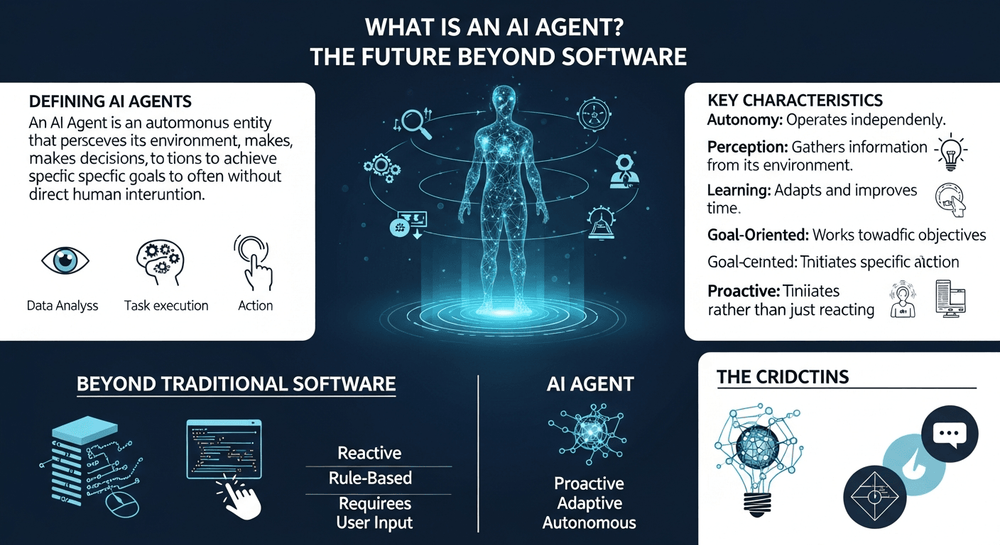
The true differentiator in 2025 will be the sophisticated use of AI agents for hyperlocal targeting. Geotargeting and geofencing software allows businesses to tailor content, offers, and advertising campaigns for incredibly specific US locations, reaching potential customers precisely where they are.

Imagine an AI agent identifying a surge in interest for a particular product within a one-mile radius of a store and automatically triggering a localized ad campaign. This level of precision, facilitated by advanced SEO tools vs GEO tools, moves beyond broad keyword targeting to address immediate, location-specific consumer needs.

Tools for Understanding AI Ranking Factors

As AI increasingly dictates search engine results, understanding its ranking factors is no longer optional. While traditional SEO tools provide insights into on-page and off-page signals, the future lies in tools that can interpret how AI algorithms perceive location-based relevance and user intent.

Tools that analyze AI-driven search behavior and predict how AI might prioritize local businesses based on proximity, reviews, and contextual relevance will be invaluable. Consider exploring OpenSEO tools for advanced AI search optimization capabilities, as they are poised to offer deeper insights into these evolving AI ranking factors, bridging the gap between traditional SEO tools vs GEO tools.

Strategic Implementation: Integrating GEO & SEO for 2025

As we navigate the evolving landscape of search in 2025, a robust strategy necessitates the seamless integration of Geographical (GEO) and Search Engine Optimization (SEO) efforts. This synergy is paramount for ensuring visibility and relevance, particularly in a world increasingly influenced by AI-driven search algorithms and localized user intent. Understanding the interplay between SEO tools vs GEO tools will be critical for businesses aiming to connect with their target audiences effectively.

Optimizing Content for AI Understanding

To thrive in 2025, content must be structured logically and be easily digestible by AI. This involves employing clear headings, subheadings, and utilizing schema markup. Schema markup acts as a structured data vocabulary, providing search engines with explicit context about the content, thereby enhancing its understanding and potential for rich snippets. For localized businesses, this means embedding location-specific details within your schema to signal relevance to nearby users.

Mastering Keyword Research in the AI Era

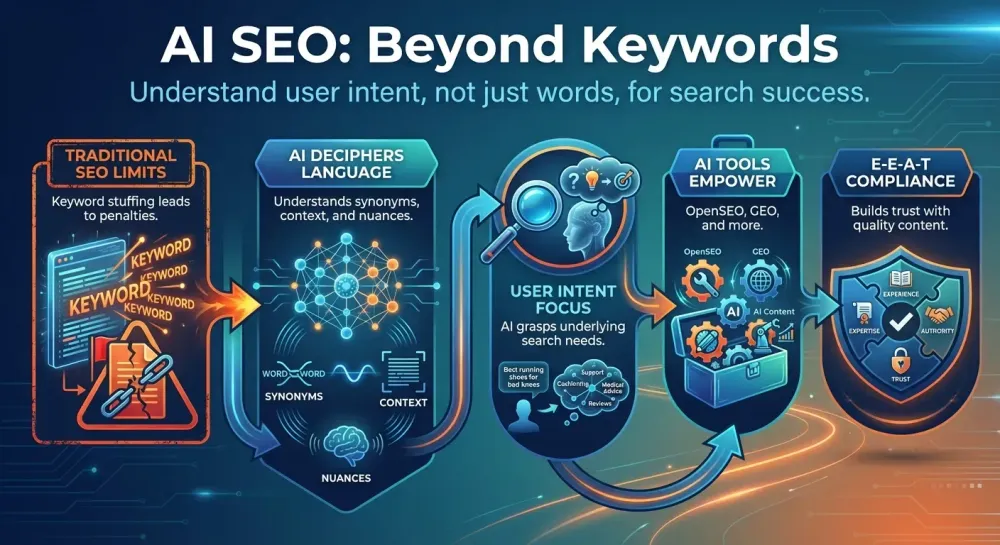
Keyword research in the AI era shifts from simple keyword stuffing to a deeper understanding of user intent and natural language queries. AI excels at interpreting conversational search terms. Therefore, focusing on long-tail keywords and question-based queries that reflect how users naturally speak will yield better results. Analyzing search trends through advanced SEO tools will reveal emerging patterns and user needs.

Technical SEO for AI Search Engines

Technical SEO remains a cornerstone, but its application evolves for AI. Beyond site speed and mobile-friendliness, ensuring consistent NAP (Name, Address, Phone) information across all US directories is crucial for local SEO. This consistency builds trust and authority with search engines, especially for businesses relying on local discovery. Building local authority through a consistent online presence and encouraging positive reviews further solidifies a business's credibility in localized search results.

The dynamic nature of AI search demands continuous adaptation. Strategies must be flexible enough to incorporate real-time search trends and updates to AI models. This proactive approach involves monitoring search behavior, algorithm shifts, and competitor strategies.

The distinction between SEO tools vs GEO tools is blurring, as many platforms now offer integrated functionalities. However, understanding their core strengths remains vital.

Tool Category Primary Focus Key Features for 2025 Example Use Case
SEO Tools Organic search visibility, website performance Keyword analysis, technical audits, content optimization, backlink analysis Improving website rankings for broad search terms.
GEO Tools Local search presence, location-based visibility NAP management, local citation building, review management, local rank tracking Ensuring a business appears in "near me" searches.
Integrated Tools Holistic online presence Combines SEO and GEO features for comprehensive management Optimizing a local business for both national and local search.

In conclusion, a successful 2025 strategy will involve a deep integration of both SEO and GEO principles, leveraging AI's understanding of intent and context, and adapting swiftly to evolving search dynamics.

FAQ (Frequently Asked Questions)

Q1: How is GEO different from traditional SEO?
A1: Traditional SEO focuses on improving a website's ranking in search engine results pages (SERPs) by optimizing for keywords, backlinks, and technical factors. GEO, on the other hand, focuses on optimizing content for direct answers and retrieval by AI-powered search engines, emphasizing contextual relevance, accuracy, and entity recognition to be understood and utilized by AI models.

Q2: Why are GEO tools particularly important for businesses in the US market?
A2: The US market is rapidly adopting AI-driven search features like voice search and AI Overviews. GEO tools are crucial because they help businesses optimize for AI's understanding of location and user intent, ensuring they are accurately represented and can provide direct answers to localized queries, which is increasingly how users are seeking information.

Q3: Can SEO tools still be used in conjunction with GEO tools?
A3: Absolutely. SEO tools remain foundational for overall website discoverability and authority. GEO tools complement SEO by adding a layer of AI-specific optimization and location-based relevance. The most effective strategies in 2025 will integrate both SEO and GEO to ensure comprehensive visibility.

Q4: What are some key features to look for in GEO tools for 2025?
A4: Key features to look for include advanced AI optimization capabilities, tools for managing local listings (like Google Business Profile), robust review management systems, and sophisticated geotargeting software that can leverage AI for hyperlocal campaigns. Tools that offer insights into AI ranking factors are also becoming increasingly valuable.

Conclusion

As we navigate the evolving landscape of AI-powered search in 2025, it's evident that a purely keyword-centric approach is no longer sufficient. The true mastery lies in a synergistic blend of traditional SEO prowess and the strategic implementation of GEO tools. While your established SEO practices remain the bedrock of online visibility, understanding and leveraging location-specific relevance, as facilitated by GEO tools, is now paramount for AI search engines that prioritize context and user intent. Ignoring this crucial dimension risks leaving your business invisible to a significant and growing segment of your target audience.

Therefore, the path forward is clear: audit your existing SEO strategy with a critical eye for GEO integration. Identify any shortcomings in your local data, online presence, and content's locational relevance. Proactively explore the recommended GEO tools to understand their capabilities and how they can elevate your AI search performance. Begin the essential work of optimizing your content and local listings, ensuring they speak directly to the AI's understanding of user queries, not just keywords. The future of search is here, and it's geographically intelligent.

Are you ready to dominate AI search in 2025? Start implementing these powerful GEO strategies today and let us know your biggest AI search challenges in the comments below!