SEO vs GEO: Decoding the Key Differences for Digital Marketers

In the ever-evolving digital arena of 2025, are you maximizing your reach, or just scratching the surface? For businesses striving to dominate both the vast online expanse and the critical local marketplace, a clear understanding of SEO VS GEO is no longer a luxury, but a necessity. This comprehensive guide is designed to empower you, the digital marketer, with the strategic acumen to harness the distinct power of both Search Engine Optimization (SEO) and Geo-Targeting (GEO). We'll meticulously dissect their fundamental differences, illuminate their unique components, and reveal how their synergistic application can propel your brand to new heights. Prepare to unlock actionable insights that will refine your digital presence, ensuring you connect with precisely the right audience, no matter where they are searching from – across the globe or right next door.
Understanding SEO: The Foundation of Online Visibility
In today's digital landscape, understanding Search Engine Optimization (SEO) is paramount for any entity aiming for robust online visibility. This foundational practice is not merely about appearing in search results; it's about ensuring you connect with the right audience at the opportune moment. While the nuances of SEO evolve, its core purpose remains constant.
What is Search Engine Optimization (SEO) in 2025?
SEO in 2025 centers on enhancing your website's organic ranking and visibility across major search engines like Google and Bing. The objective is to achieve extensive online reach by appearing prominently for relevant user queries. This strategic approach differs from localized efforts often associated with GEO (Geographic) targeting, focusing instead on broader search intent.
Key Pillars of a Robust SEO Strategy
A robust SEO strategy is built upon several core components. Technical SEO ensures your site is crawlable and indexable, encompassing aspects like site speed and mobile-friendliness. On-page optimization involves integrating relevant keywords into high-quality, engaging content. Off-page strategies, such as backlink building and fostering brand mentions, further bolster your site's authority and credibility.
SEO's Role in Broad Audience Reach
The primary goal of SEO is to attract a wider audience. By ranking for relevant keywords that indicate broader search intent, you drive consistent organic traffic. Leveraging tools like Google Analytics and Search Console is crucial for performance tracking, identifying opportunities for keyword research, and informing content creation to capture a larger segment of potential visitors.
Exploring GEO: Mastering Local Search Dominance
In the evolving digital landscape, understanding the nuances between broad SEO and specialized GEO is paramount. While SEO casts a wide net, GEO (Geographic Optimization) hones in on hyper-local visibility, a critical differentiator for businesses serving specific communities.
Defining GEO (Geographic Optimization) for 2025
GEO in 2025 transcends basic local listings. It's about strategically optimizing your business's online presence to dominate search results within defined geographic areas, particularly for platforms like Google Maps and the coveted Local Pack. This focus ensures that when potential customers are actively searching for local products or services, your business appears prominently.
Essential Components of Geo-Targeting
Key GEO elements include meticulously optimizing your Google Business Profile (GBP) listing, ensuring absolute NAP (Name, Address, Phone Number) consistency across all online directories, and actively cultivating and managing customer reviews. Geo-targeting keywords, such as "best pizza near me" or "emergency plumber [city name]," are vital for capturing high-intent local searches.
The Impact of Local Search on Foot Traffic
Effective GEO strategies directly translate into tangible business outcomes. They drive qualified local leads, significantly increase foot traffic to physical locations, and foster a strong sense of trust and community engagement. The distinction between general SEO and this localized approach is clear: SEO VS GEO prioritizes immediate, nearby customer acquisition.
SEO vs. GEO: Unpacking the Core Differences and Synergies
Understanding the distinction between SEO (Search Engine Optimization) and GEO (Geographic Optimization) is crucial for effective online visibility. While both aim to improve search engine rankings, their fundamental approaches and target audiences diverge significantly. Recognizing these differences, and how they can complement each other, is key for businesses aiming to connect with the right customers in 2025.
Scope and Intent: Global Reach vs. Local Focus
The primary differentiator between SEO VS GEO lies in scope. SEO targets a broad, potentially global audience, focusing on general relevance and authority across a wide range of search queries. In contrast, GEO hones in on users within a defined geographic area, prioritizing local intent and proximity. For instance, a global e-commerce brand might use SEO to attract international buyers, while a local bakery would leverage GEO to appear in searches like "cupcakes near me."
Key Differentiators in Strategy and Tactics
SEO tactics typically focus on building general website authority through content, backlinks, and technical optimization. GEO tactics, however, emphasize local signals, such as Google Business Profile optimization, local reviews, and proximity-based keywords.
| Tactic Type | SEO Focus | GEO Focus |
|---|---|---|
| Keywords | Broad, informational, transactional | Localized, "near me," city/neighborhood specific |
| Authority Signals | Backlinks, domain authority, content depth | Local citations, reviews, Google Business Profile engagement |
| User Intent | General information seeking, product research | Immediate need, local service/product discovery |
How SEO and GEO Can Work Together in 2025
In 2025, these strategies are not mutually exclusive; a robust SEO foundation enhances GEO efforts, and localized content can boost overall search authority. Consider how conversational prompts and intent clusters can inform both your SEO and GEO keyword research, bridging the gap between broad appeal and immediate local needs. A business can achieve greater success by integrating both approaches.
2025: A Comparative Review of Essential Digital Marketing Tools and Services
As the digital landscape evolves, understanding the interplay between traditional SEO and the emerging GEO optimization strategies is paramount. This review examines key tools and services that empower businesses to navigate this new frontier, driving both organic traffic and localized visibility. The distinction between SEO VS GEO is blurring, with integrated approaches proving most effective.
SEO Optimization Services
These comprehensive services focus on building organic traffic through technical SEO, on-page strategies, off-page authority, meticulous keyword research, and compelling content creation. They aim to deliver tangible results, enhancing a website's overall search engine performance.
GEO Optimization Services
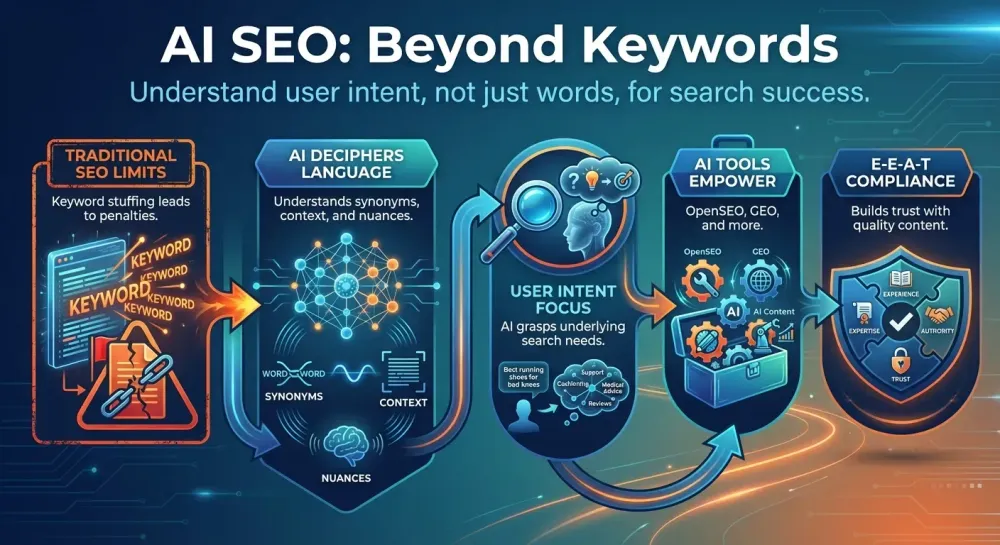
This new wave of optimization targets AI-driven answer engines and emerging platforms. It emphasizes structured content, robust authority building, and E-E-A-T signals to ensure visibility within AI-generated summaries, marking a significant shift in SEO VS GEO considerations.
Ubersuggest
Ubersuggest stands out as a valuable keyword research tool. It excels at uncovering high-ROI, long-tail keywords, effectively transforming search queries into valuable website visits and potential conversions for businesses.
Geo Targeting Keywords Tool
Specializing in local search, this tool identifies and leverages geographically specific keywords. This is crucial for enhancing local SEO efforts and driving highly qualified traffic to businesses with a physical presence.
Local SEO Software
Designed to streamline local search management, this software offers features such as listing management, Google Posts integration, review monitoring, geotargeting capabilities, and local rank tracking, providing a holistic view of a business's local online footprint.
SEO Bootcamp Resource
This educational resource offers invaluable insights into both SEO and GEO strategies. It highlights the increasing importance and seamless integration of GEO principles with established SEO practices, underscoring the evolving SEO VS GEO dynamic.
In 2025, a dual approach to SEO VS GEO is essential. Businesses leveraging integrated strategies, from broad SEO optimization to granular geo targeting, will achieve superior visibility and engagement.
FAQ (Frequently Asked Questions)
Q1: What is the main difference between SEO and GEO?
A1: The main difference lies in their scope and intent. SEO focuses on broad, often global, online visibility by optimizing for general search queries and website authority. GEO, on the other hand, concentrates on hyper-local visibility, optimizing for searches within specific geographic areas to attract nearby customers.
Q2: Can SEO and GEO be used together effectively?
A2: Absolutely. In fact, they are most effective when used in synergy. A strong SEO foundation can boost your local rankings, while localized content and optimization can enhance your overall search authority. They complement each other by addressing both broad and specific customer needs.
Q3: Which is more important for a local business: SEO or GEO?
A3: For a local business, GEO is often the primary focus for immediate customer acquisition. However, a solid SEO strategy is still crucial for overall brand visibility, authority, and reaching customers who may not be actively searching with local intent but are still potential customers. An integrated approach is best.
Q4: How has AI impacted the SEO VS GEO landscape?
A4: AI is increasingly influencing both SEO and GEO by driving more conversational search queries and personalized results. For GEO, AI-powered local search and map features are becoming more prominent. For SEO, AI is influencing content creation and the understanding of user intent, requiring marketers to adapt their strategies.
Conclusion
In the dynamic digital landscape of 2025, the distinction between SEO and GEO is no longer a matter of either/or, but a crucial 'and'. As we've explored, robust SEO VS GEO strategies are not mutually exclusive; rather, they are symbiotic forces essential for comprehensive digital marketing success. By understanding their unique strengths – SEO for casting a wide net and GEO for anchoring deep within local communities – businesses can unlock unprecedented reach and resonance.
To truly thrive, an integrated approach is paramount. We urge you to audit your current SEO and GEO efforts with a critical eye. Optimize your Google Business Profile listing to ensure it's a beacon for local searchers, and relentlessly ensure NAP (Name, Address, Phone number) consistency across all platforms. Furthermore, integrate location-specific keywords into your content strategy to speak directly to your target audience, and keep an eye on emerging trends like AI-driven answer optimization for future visibility.
The path to capturing both a global audience and dedicated local customers is clear. Don't let your business get left behind. Ready to enhance your local and global online presence? Contact us today for a personalized digital marketing strategy for 2025! Let's build a powerful, unified presence that drives measurable results. And remember, share this article with fellow marketers to foster a community of informed digital strategists who are ready to conquer the year ahead.