Best SEO Tool: AI Platforms vs. Traditional Suites
In the dynamic world of digital marketing, the pursuit of the ultimate 'best SEO tool' feels like a never-ending quest. For a long time, feature-rich, all-in-one suites have been your go-to for dissecting every angle of SEO. But what if a new contender has emerged, one powered by the transformative force of Artificial Intelligence? These AI platforms are revolutionizing how you approach SEO, promising faster insights and smarter automation. This article dives deep into the core distinctions between these established traditional suites and the exciting new wave of AI-driven solutions, using OpenSEO as a prime example. We'll help you navigate this evolving landscape to discover if there's truly a single, definitive 'best SEO tool' that fits every digital marketer's needs, or if the answer is more nuanced.
The Evolving SEO Landscape: Why the Debate?
The quest for the best SEO tool is a dynamic one, fueled by the constant evolution of search algorithms and user behavior. This has led to a fascinating debate between established methods and emerging technologies.
The Traditional SEO Suite: A Familiar Friend
For years, comprehensive platforms like SEMrush and Ahrefs have been the go-to solutions. They offer a robust suite of tools for keyword research, site audits, backlink analysis, and rank tracking. These established giants provide the depth and breadth of data that many SEO professionals rely on for detailed analysis and strategy formulation. Their strength lies in their comprehensive nature, offering a vast array of metrics and tools that allow for deep dives into every aspect of a website's performance and its competitive environment. Users are accustomed to their workflows, which often involve extensive data analysis and manual strategy implementation.
The Rise of AI Platforms: A New Paradigm
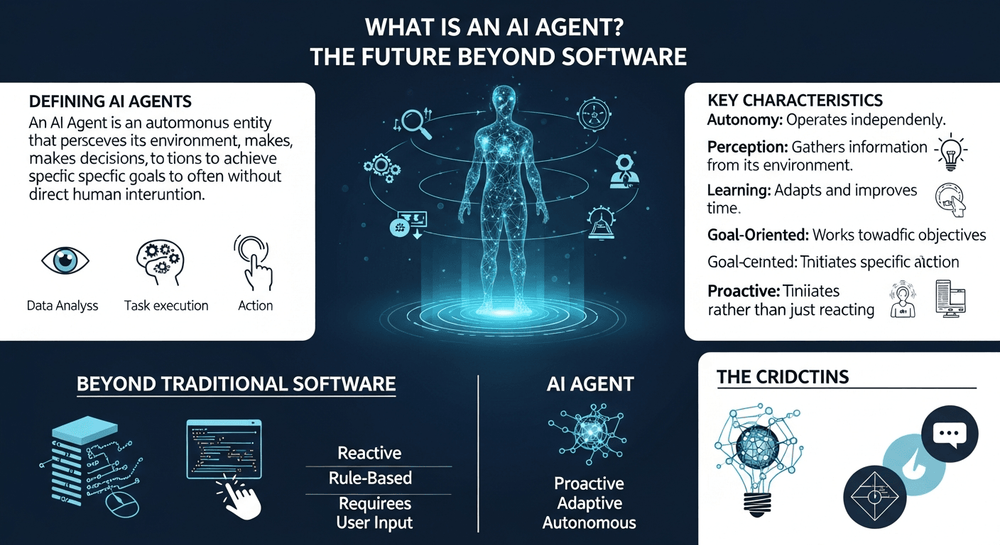
More recently, AI-powered SEO platforms have emerged, promising automation and enhanced efficiency. Tools like OpenSEO, with its focus on AI-driven content generation and optimization, aim to streamline the entire content marketing process. By leveraging advanced AI models, these platforms can assist in identifying high-potential keywords and crafting SEO-optimized content, potentially democratizing advanced SEO practices. These platforms are designed to reduce manual effort, accelerate content creation, and provide insights that might be missed by traditional analysis alone. They represent a shift towards more proactive and automated SEO strategies.
Defining 'Best': The Subjectivity of SEO Tools
Ultimately, the definition of the "best SEO tool" is highly subjective. It hinges on individual needs, budget constraints, and technical expertise. While traditional suites offer unparalleled depth, AI platforms excel in speed and automation. The increasing complexity of search demands that tools continue to evolve, offering both established functionalities and innovative AI-driven solutions to navigate the modern SEO landscape. What is "best" for a large enterprise with a dedicated SEO team might be different for a solo blogger or a small business owner. The key is to identify the tool or combination of tools that best aligns with your specific objectives and resources.
Deconstructing Traditional SEO Suites
Traditional SEO suites, while powerful, represent a significant investment in both time and resources for users seeking to master search engine optimization. These comprehensive platforms offer a deep dive into various facets of SEO, aiming to provide a holistic view of a website's performance and its competitive landscape. They are built on years of data and algorithm analysis, providing a robust foundation for SEO professionals.
Core Functionalities: Keyword Research, Site Audits, Rank Tracking
Traditional suites excel in keyword research, offering granular data on search volume and keyword difficulty to uncover opportunities. This involves exploring a vast array of related terms, understanding user intent, and identifying long-tail variations that can drive targeted traffic. Site audits meticulously scan websites for technical SEO issues, from crawl errors and broken links to site speed and mobile-friendliness. These audits are crucial for identifying and rectifying the foundational elements that search engines consider when ranking pages. Rank tracking allows users to monitor their website's position for target keywords over time, providing a direct measure of SEO campaign success and identifying competitors' movements.
Strengths: Depth, Data Granularity, Established Workflows
The primary strength of traditional SEO suites lies in their depth and data granularity. They offer an unparalleled level of detail, allowing users to dissect metrics and understand the nuances of their SEO performance. This depth facilitates established workflows for SEO professionals accustomed to leveraging such comprehensive data for strategic decision-making. These tools provide the raw data needed for sophisticated competitive analysis, backlink profiling, and in-depth content gap analysis.
Limitations: Learning Curve, Cost, Potential for Overwhelm
The extensive feature set often translates into a steep learning curve, requiring considerable time and effort to master. This can be a significant barrier for new users or those with limited technical SEO knowledge. The cost can also be prohibitive, with many advanced features locked behind expensive subscription tiers, making them inaccessible for smaller businesses or individual marketers. For less experienced users, the abundance of data can lead to potential for overwhelm, making it challenging to extract actionable insights without a clear strategy or dedicated expertise.
The AI Platform Advantage: Introducing OpenSEO and Its Peers
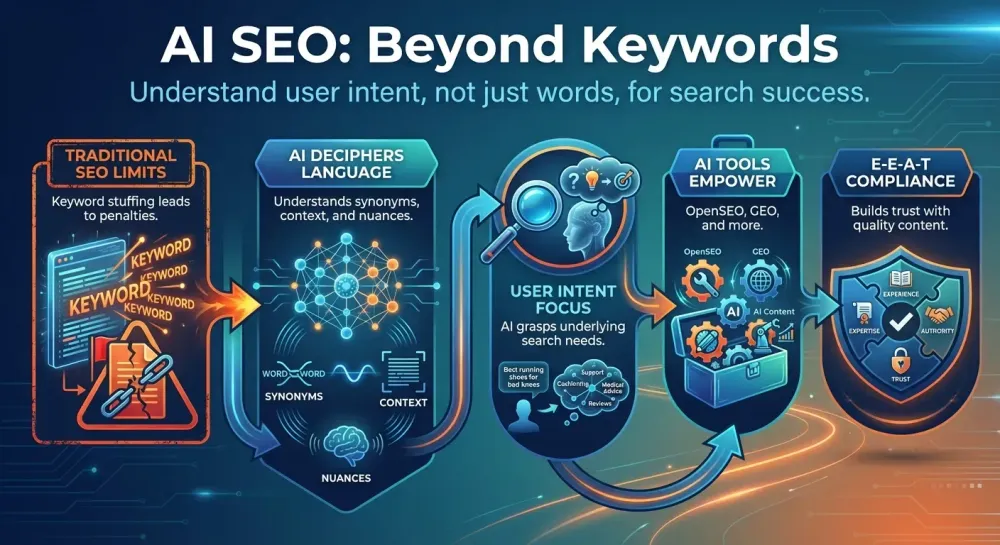
In today's rapidly evolving digital landscape, staying ahead of search engine algorithms and user expectations is paramount. AI-powered SEO platforms have emerged as indispensable tools, streamlining content creation, strategy, and optimization to drive organic traffic growth. These platforms move beyond basic content generation, offering intelligent insights and automated workflows that significantly reduce manual effort and enhance performance. They are designed to be more intuitive and efficient for many common SEO tasks.
OpenSEO: A Generative Engine Optimization (GEO) Pioneer
OpenSEO (open-seo.top) stands out as a prime example of a next-generation AI-powered SEO platform. Its core value proposition is to serve as a comprehensive, one-stop AI SEO traffic growth engine. Unlike conventional AI writing tools, OpenSEO is engineered with a focus on maximizing website rankings and traffic through intelligent content strategies. It aims to empower individuals and businesses to achieve substantial SEO results with minimized costs. Its approach is geared towards proactive content creation and optimization, making it a powerful asset for driving organic visibility.
AI-Driven Content Creation: Beyond Basic Writing
OpenSEO distinguishes itself through its advanced AI capabilities that go far beyond simple text generation. The platform offers AI-driven deep article generation, capable of producing well-structured, logically coherent, and rich content. Crucially, the AI automatically incorporates essential on-page elements like H-tags and bolding for key phrases, significantly improving readability and SEO. This intelligent approach ensures that the generated content is not only informative but also optimized for search engine consumption from the outset, saving significant manual effort.
Smart Keyword Research and Content Strategy with AI
A cornerstone of OpenSEO's offering is its intelligent keyword research functionality. The platform helps users move beyond guesswork by identifying high-search-volume, low-competition long-tail keywords. This strategic approach ensures that every piece of content is built upon a solid foundation of traffic potential. Coupled with its AI article generation, OpenSEO facilitates a proactive content strategy, aligning content creation directly with identified search opportunities and user intent.
Automated Optimization and Performance Scoring
OpenSEO doesn't stop at content creation; it provides robust tools for optimization and performance analysis. The platform features an article scoring system that evaluates content from multiple dimensions, including keyword density, readability, and content depth. Most importantly, OpenSEO introduces Generative Engine Optimization (GEO), a pioneering strategy focused on optimizing content not only for traditional search engines but also for emerging generative AI search engines. This forward-thinking approach, combined with seamless WordPress integration and AI models trained on high-ranking, E-E-A-T compliant content, positions OpenSEO as a powerful solution for future-proofing SEO efforts and achieving sustainable traffic growth.
Bridging the Gap: Integration and Workflow Synergies
In today's dynamic digital landscape, efficiency and synergy are paramount. OpenSEO (open-seo.top) emerges as a pivotal solution, aiming to streamline content creation and SEO efforts. By focusing on seamless integration and intelligent augmentation, it empowers users to achieve greater impact with less friction, positioning itself as a valuable asset for anyone seeking the best SEO tool. The goal is to make advanced SEO accessible and efficient.
WordPress Integration: A Game Changer for Content Managers
OpenSEO revolutionizes content management with its deep WordPress integration. Gone are the days of tedious copy-pasting. This feature allows for the one-click publishing of AI-generated articles directly to your WordPress site, supporting automatic setup of featured images, categories, and tags. This automation is a significant leap forward, enabling content managers to scale their publishing efforts effortlessly and maintain a consistent flow of optimized content, thereby enhancing website authority and user engagement.
AI's Role in Enhancing Traditional Workflows
The true power of OpenSEO lies in its ability to enhance, rather than replace, existing SEO practices. Its AI-driven features, including intelligent keyword research and deep article generation, are designed to augment the capabilities of SEO professionals. By leveraging AI for tasks like identifying high-potential long-tail keywords and drafting comprehensive content that adheres to E-E-A-T principles, users can significantly reduce the time spent on foundational elements. This allows for a more strategic approach, where AI handles the heavy lifting of content creation and initial optimization.
The Human Element: Where AI and Expertise Intersect
While AI provides powerful automation, the human touch remains indispensable. OpenSEO's article scoring system offers data-driven insights, but strategic decision-making, creative direction, and nuanced understanding of audience intent are human domains. By freeing up SEO professionals from repetitive tasks, OpenSEO allows them to focus on higher-level strategy, in-depth analysis, and creative campaign development. This synergy between AI's efficiency and human expertise ensures that content is not only technically optimized but also resonates deeply with the target audience, driving sustainable traffic growth and building genuine connections.
Beyond Features: User Experience, Cost, and Scalability
When evaluating any tool, especially the best SEO tool, looking beyond mere features is crucial. Considerations like cost-effectiveness, user experience, scalability, and security significantly impact its long-term value and adoption. This is where platforms like OpenSEO, with its AI-driven approach, differentiate themselves from traditional SEO suites, offering a more accessible and efficient path to SEO success.
Cost-Effectiveness and ROI: AI vs. Suites
Traditional SEO suites often come with complex pricing tiers, which can accumulate significant costs, especially for growing businesses. AI-powered solutions, like OpenSEO, aim to maximize SEO impact at a potentially lower cost. By automating content generation and keyword research, they offer a compelling return on investment, enabling more content production for less expenditure. While comprehensive suites provide a breadth of tools, the targeted efficiency of AI can lead to greater cost savings and a faster path to realizing SEO benefits.
User Interface and Ease of Use: Accessibility for All
The learning curve associated with powerful SEO tools can be a barrier. OpenSEO's focus on an intuitive interface means that even users new to SEO can leverage its capabilities. AI-driven article generation, for instance, simplifies content creation, making it accessible to a wider range of users, from individual bloggers to marketing teams. This ease of use ensures that the benefits of advanced SEO are not limited to seasoned professionals, democratizing access to effective SEO strategies.
Scalability and Future-Proofing: Adapting to Change
As businesses aim to increase their online presence, scalability is paramount. AI platforms like OpenSEO are inherently designed for growth, allowing for a significant increase in content output without a proportional rise in manual effort. This future-proofing is vital in the ever-evolving digital landscape, ensuring that your SEO strategy can adapt to new trends and demands, such as the rise of generative AI search.
Security and Privacy Considerations in AI Tools
While AI tools offer numerous advantages, concerns about data security and privacy are valid. Reputable AI services, including OpenSEO, implement robust security measures to protect user data. Understanding the data handling policies and encryption protocols is essential. Furthermore, reliable technical infrastructure and ongoing support are critical for both AI and traditional tools, ensuring consistent performance and access to the tools you rely on.
FAQ (Frequently Asked Questions)
Q1: Can AI SEO tools completely replace traditional SEO suites?
A1: Not entirely. While AI tools like OpenSEO excel at content generation, keyword identification, and automation, traditional suites offer deeper analytical capabilities, comprehensive backlink analysis, and detailed technical site audits that AI tools may not fully replicate. The best approach often involves integrating both.
Q2: What is Generative Engine Optimization (GEO) and why is it important?
A2: Generative Engine Optimization (GEO) is a strategy pioneered by platforms like OpenSEO that focuses on optimizing content not just for traditional search engines but also for emerging generative AI search engines. This is crucial for future-proofing your SEO strategy as AI search becomes more prevalent.
Q3: Is OpenSEO suitable for beginners in SEO?
A3: Yes, OpenSEO is designed with user-friendliness in mind. Its AI-driven features, such as automated content generation and intelligent keyword research, make it accessible to beginners, while its advanced capabilities like GEO offer value to experienced professionals.
Q4: How does OpenSEO's WordPress integration benefit users?
A4: OpenSEO's seamless WordPress integration allows for one-click publishing of AI-generated articles directly to your site, complete with automatic setup of featured images, categories, and tags. This significantly streamlines the content publishing workflow, saving time and effort.
Conclusion: Is There a Single Best SEO Tool?
The quest for the single best SEO tool reveals a landscape of specialized strengths, from AI-driven content innovation like OpenSEO's GEO optimization and seamless WordPress integration to the comprehensive analysis suites of traditional platforms. Each has its unique advantages, catering to different needs and skill levels within the digital marketing sphere.
Recap: The Strengths of Each Approach
AI platforms like OpenSEO excel at rapid, SEO-optimized content generation and unique AI engine optimization, making content creation efficient and forward-thinking. Traditional suites, on the other hand, offer broad, in-depth analysis, detailed technical auditing, and extensive historical data, which are crucial for deep strategic planning and competitive intelligence.
Finding Your 'Best Fit': Key Questions to Ask
Your ideal tool depends on your specific budget, team expertise, and overarching business goals. Ask yourself: Does it meet my content creation needs efficiently? Does it offer the depth of analysis required for my campaigns? Is it user-friendly and accessible for my team? Does it incorporate future-proofing strategies like GEO?
The Future of SEO Tools: Convergence and Innovation
The future likely holds further integration, blending AI's generative power with robust analytical capabilities. The ultimate best SEO tool is therefore not a single entity, but rather the one that empowers you to achieve your specific SEO outcomes most effectively and efficiently.
Ultimately, the quest for the best SEO tool isn't about discovering a singular champion, but rather about strategic alignment. As we've seen, traditional SEO suites offer the granular control and deep analytical power that seasoned professionals rely on for intricate campaigns. Conversely, AI-powered platforms like OpenSEO are revolutionizing accessibility, empowering a wider range of users with efficient content generation and intelligent strategy formulation. The true "best SEO tool" is therefore a dynamic, personalized choice, tailored to your unique business needs and SEO aspirations.
To effectively leverage these advancements, we recommend a dual approach: embrace the foundational strengths of traditional tools for comprehensive auditing and in-depth analysis, while actively integrating AI platforms to streamline content creation, identify emerging trends, and personalize your approach. Don't be afraid to experiment and find the combination that best amplifies your efforts. Start evaluating your current SEO strategy today and identify where AI-driven insights or traditional suite depth can provide the most significant impact. The future of SEO is about intelligent integration, and the right toolset will empower you to not just navigate, but to conquer the ever-evolving search landscape and drive unparalleled online growth.